News
Why Early Intervention Cannot Be Overemphasized: M’s Story
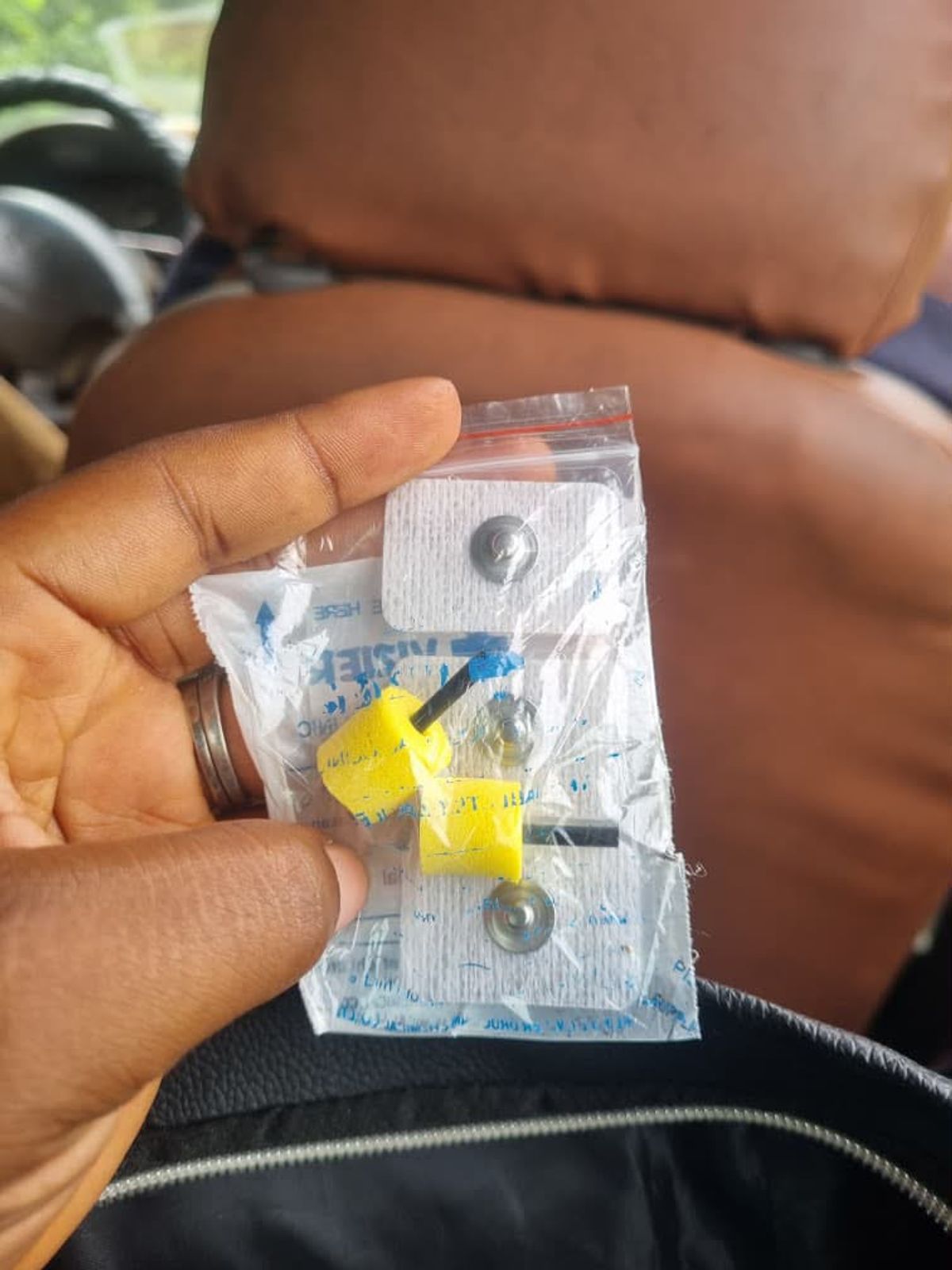
Sometimes, the roots of a child’s challenges run deep within the home—not because families do not care, but because limited awareness, misconceptions, and delayed action can have lasting consequences. Recently, OFALD met M, a child whose journey is a powerful reminder of why early detection, timely intervention, and sustained support are essential for children living with learning disabilities.
M was born healthy, with no known birth complications. For the first few months, nothing appeared unusual. However, at around five months old, a neighbor noticed something concerning: a spoon fell to the floor near M, yet she did not respond to the sound. The neighbor advised M’s mother to take her for a medical evaluation, but due to financial and personal constraints, the family could not seek help immediately. M did not receive medical attention until she was about four years old. At that point, she was diagnosed with mild-to-moderate hearing difficulty and was given a hearing aid through the support of an NGO.
Unfortunately, the hearing aid was used for only about two months. Her guardians reported that they stopped using it after the batteries ran out.
What followed highlights a critical truth: intervention only works when it is consistent and sustained. By the time M came under OFALD’s care and was taken for a new medical assessment, her hearing condition had significantly worsened. The updated evaluation revealed profound hearing loss in one ear and severe hearing loss in the other. The impact extended beyond hearing—because M has lived with significant hearing loss from infancy, she now faces challenges with speech, communication, and developmental milestones. Signs of developmental delay have been observed, although there is currently no definitive diagnosis explaining the full extent of these challenges.
At OFALD, we believe that a diagnosis should never be the end of a conversation—it should be the beginning of support. Since connecting with M and her family, we have provided assistance for her medical care, including consultations, assessments, medications, and other essential healthcare needs. We are also working toward securing an appropriate hearing aid for her, a process that is still ongoing.
Beyond medical intervention, we have spent time educating and counselling her guardians on the importance of consistent hearing‑aid use. Hearing devices are not meant to be used only when convenient. While adjustment may come with discomfort or challenges, proper use, follow‑up, maintenance, and professional guidance are crucial for achieving the best possible outcome.
M’s story is not just about what happened—it is about what can still be done. With the right intervention, education, family support, healthcare, and access to the resources she needs, M can continue to learn, develop, and participate more fully in her community. OFALD is committed to walking alongside her and her family through this journey. Her experience also serves as an important reminder to every parent and caregiver: when a child is not responding to sounds, missing developmental milestones, struggling to communicate, or behaving in ways that raise concern, do not wait. Seek professional help. Early identification opens the door to early intervention—and early intervention can change the course of a child’s life.
At OFALD, we remain committed to creating awareness, providing support, empowering families, and advocating for children and individuals living with autism, learning disabilities, hearing difficulties, and other developmental challenges. M’s journey is still being written, and we are hopeful about the chapters ahead.