OFALD Programs
Explore our completed trainings, photos, and key lessons learned from each program. We also share practical disability knowledge to support families, caregivers, and community members.
Recent Training Reports
Stories and reflections from our completed trainings.
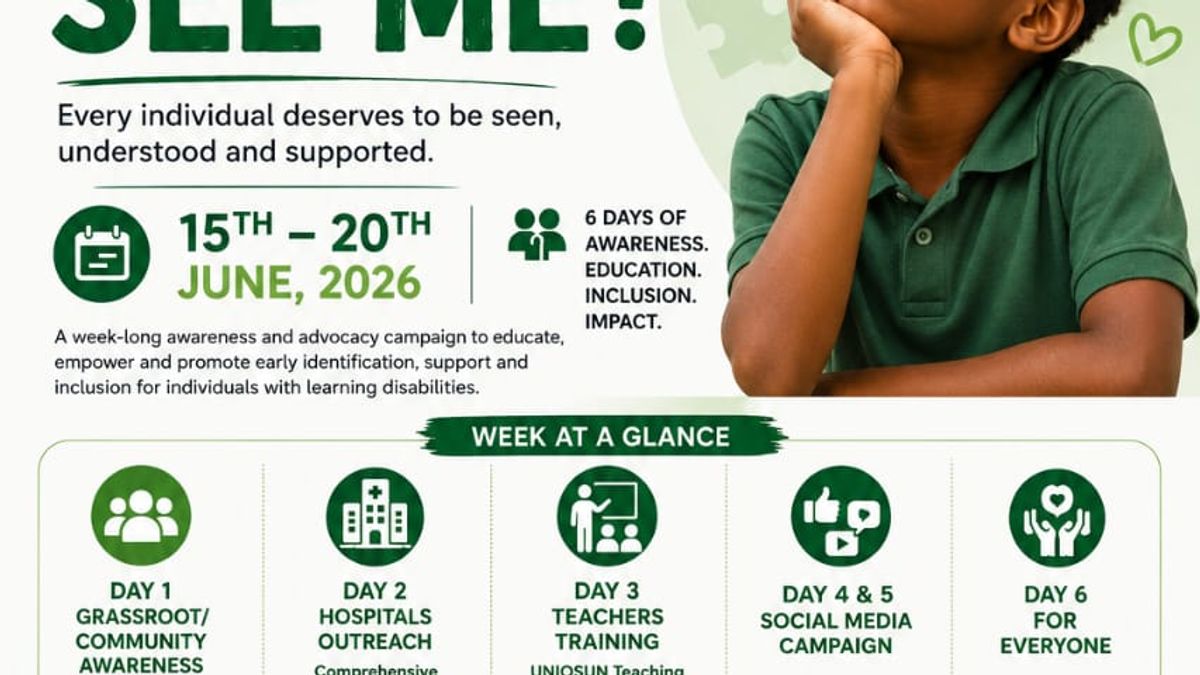
Learning Disability Awareness week
June 15, 2026 · Osogbo Nigeria
Every third week in June is Learning Disability week. This year 2026, Learning Disability week is between June 12, 2026-June 19 2026; with this year's theme being: 'DO YOU SEE ME?' During this week, we had the privilege of engaging with parents and caregivers, the individuals who often play the most important role in the lives of people with learning disabilities. We had an awareness session at the Community Health Center and Osun State University Teaching Hospital, focused on understanding learning disabilities, distinguishing between learning disabilities and learning difficulties, practical home-based support strategies, and the importance of mental health and wellbeing for caregivers. Caring for a child with additional needs can be both rewarding and challenging. Through knowledge, support, and shared experiences, parents and caregivers can be better equipped to navigate these challenges and create environments where children can thrive. One of the key takeaways from today's session was that early support, patience, understanding, and collaboration can make a significant difference in a child's development and quality of life. As we continue Learning Disability Week 2026, we remain committed to empowering families, promoting inclusion, and creating communities where every child is seen, supported, and valued. A big thank you to everyone who showed up Together, we are building a future where no family walks this journey alone. #DoYouSeeMe #learningdisabilityweek2026 #ld #caregiverawareness #parentsupport
Read more →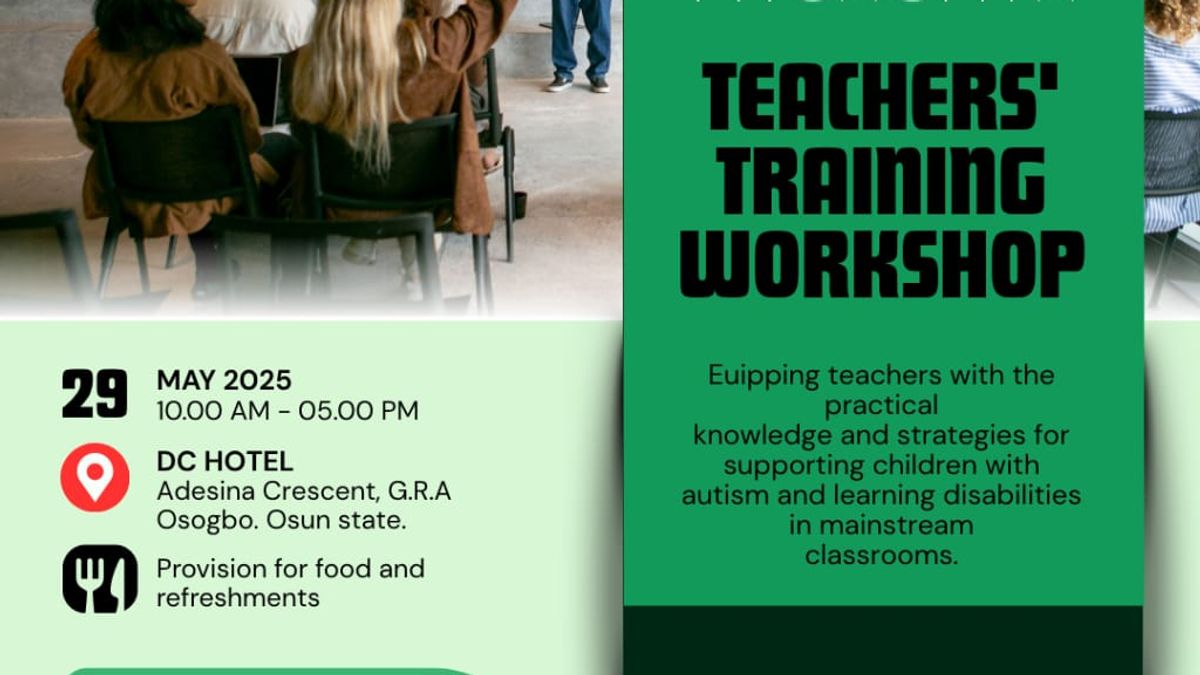
Diversity in the classroom; a theory of inclusive practice
May 21, 2026 · David Christie Hotel, Osogbo, Osun state
Equipping teachers with the practical knowledge and strategies for supporting autistic children and those with Intellectual disability in mainstream schools
Read more →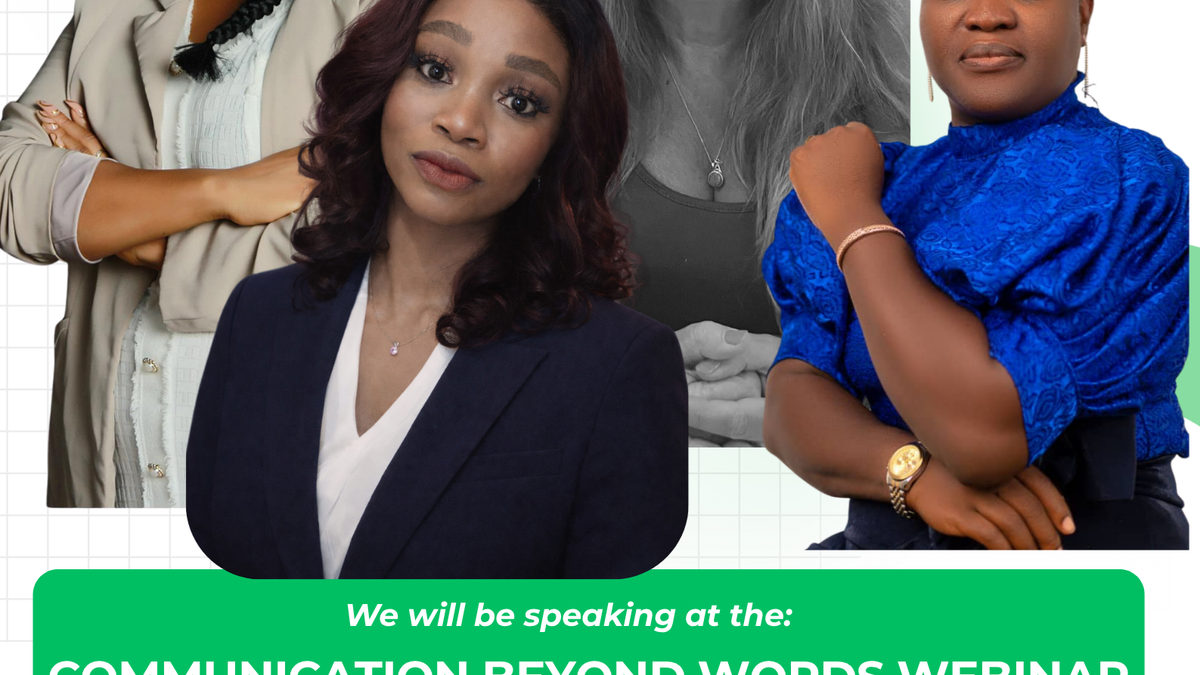
Communication Beyond Words Series
April 11, 2026 · virtual
Communication and disability refers to the ways in which different disabilities can affect how a person understands, expresses, and interacts with others. Disabilities may influence speech, language, hearing, cognition, social interaction, or physical ability — and each person’s communication profile is unique. Some individuals may communicate verbally, while others rely on gestures, signs, pictures, assistive technology, behaviour, or a combination of methods. Disabilities such as autism, intellectual disability, cerebral palsy, hearing impairment, learning disabilities, and developmental delays can shape how a person processes information, expresses needs, or engages socially. The key principle is that communication is not limited to speech. Every behaviour, movement, sound, or expression can carry meaning. When environments, attitudes, and communication styles are adapted, people with disabilities can participate fully, express themselves confidently, and build meaningful relationships. An inclusive approach recognises strengths, reduces barriers, and ensures that every individual — regardless of ability — has the right to be heard, understood, and respected.
Read more →General Knowledge on Different Disabilities
Parents need to spend time with their children, if they feel something is not right, they need to seek early support
A learning disability is a lifelong condition
Learning disability affects how a person communicates, receives information, process information and how they communicate
Many people with a learning disability also have conditions such as autism, cerebral palsy, epilepsy, or mental health challenges. However, having these conditions does not automatically mean a person has a learning disability. Each condition is distinct, and diagnosis must be based on a person’s cognitive profile, not assumptions.
A learning disability occurs when brain development is affected: Before birth (e.g., infections, genetic conditions like Down syndrome) During birth (e.g., lack of oxygen) Early childhood (e.g., meningitis, head injury) Sometimes, the cause is unknown (gov.uk)