Learning Disability Awareness week
June 15, 2026Osogbo Nigeria
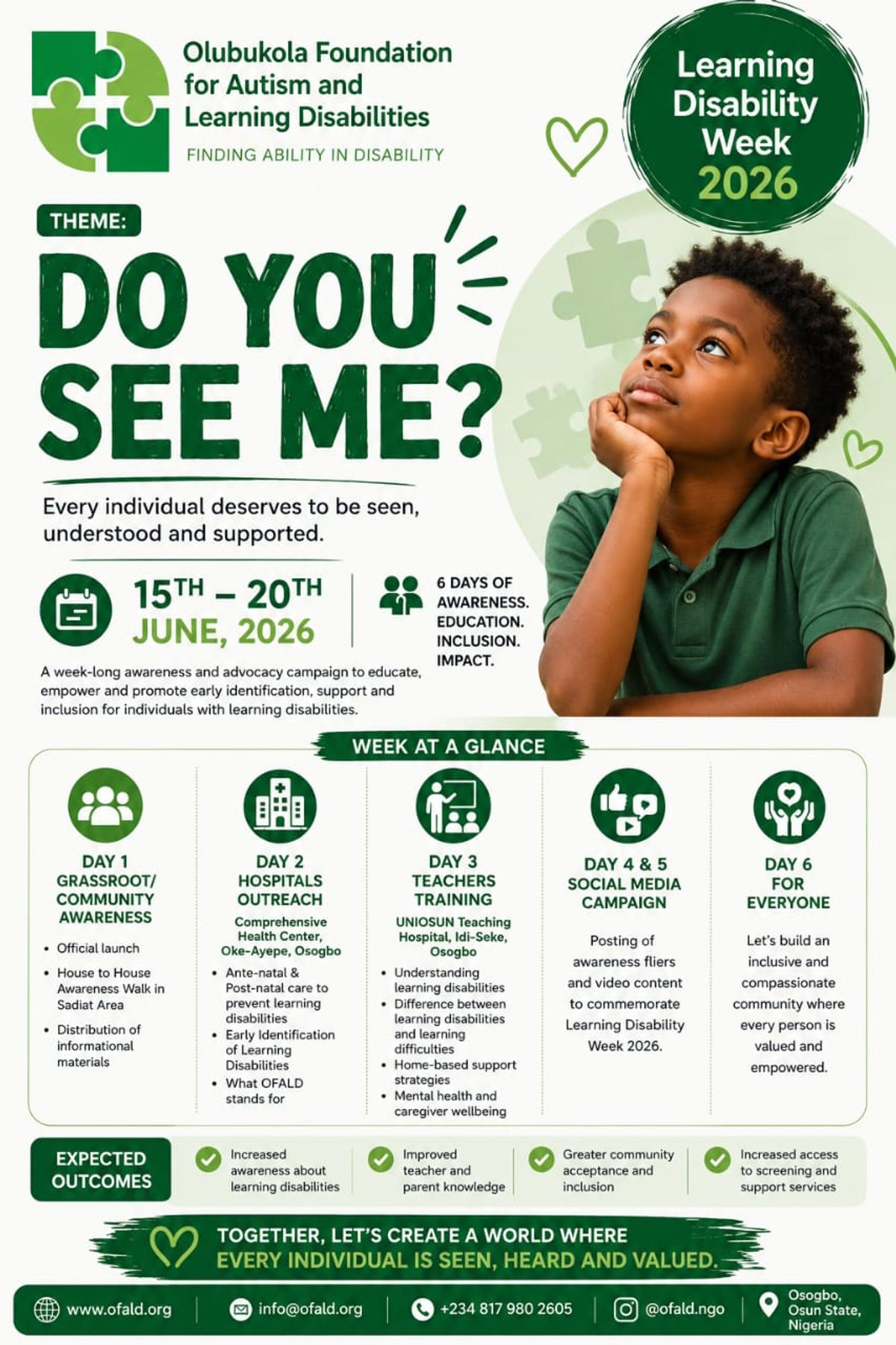
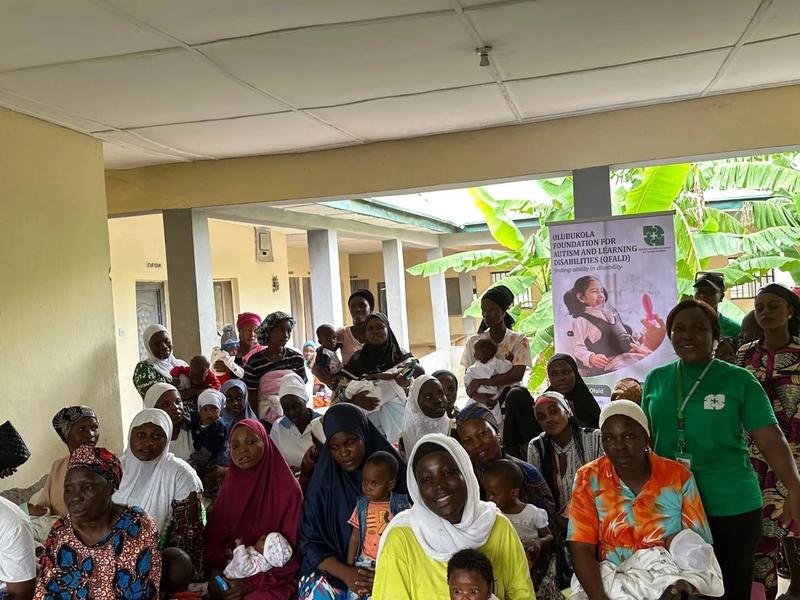
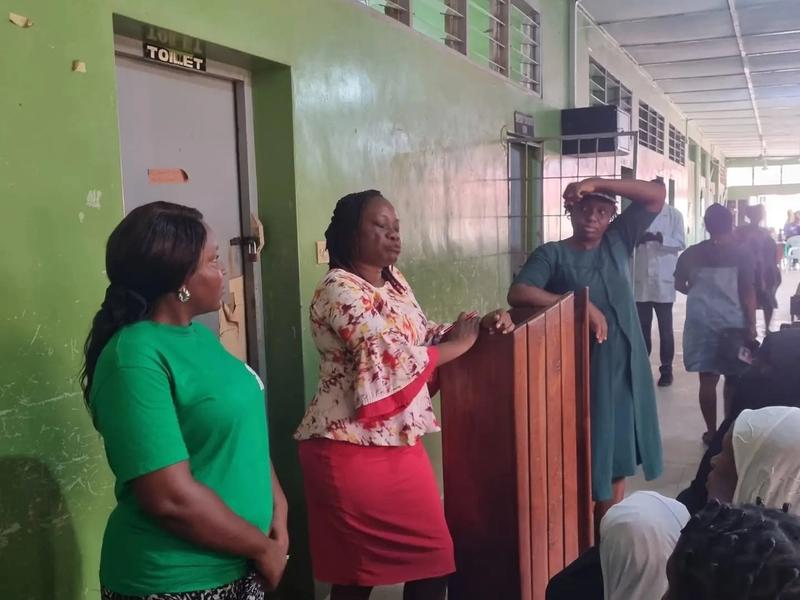
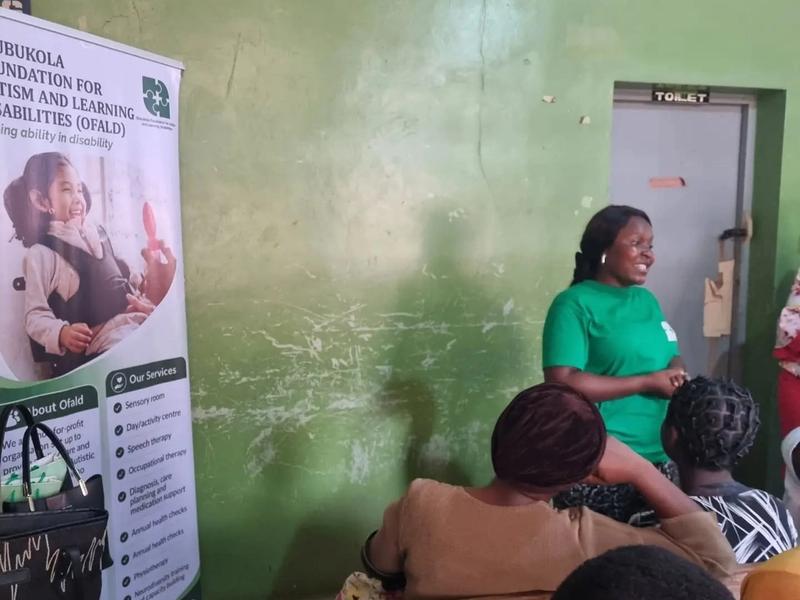
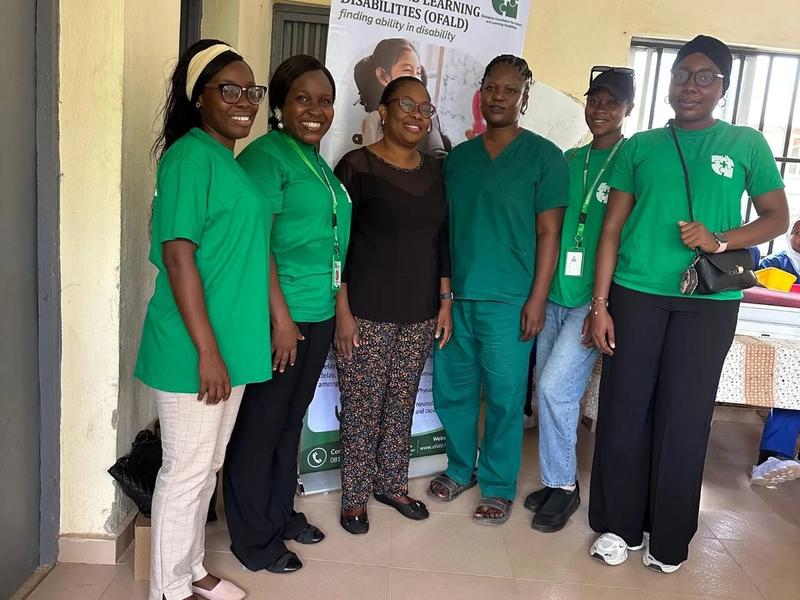
Every third week in June is Learning Disability week. This year 2026, Learning Disability week is between June 12, 2026-June 19 2026; with this year's theme being: 'DO YOU SEE ME?' During this week, we had the privilege of engaging with parents and caregivers, the individuals who often play the most important role in the lives of people with learning disabilities. We had an awareness session at the Community Health Center and Osun State University Teaching Hospital, focused on understanding learning disabilities, distinguishing between learning disabilities and learning difficulties, practical home-based support strategies, and the importance of mental health and wellbeing for caregivers. Caring for a child with additional needs can be both rewarding and challenging. Through knowledge, support, and shared experiences, parents and caregivers can be better equipped to navigate these challenges and create environments where children can thrive. One of the key takeaways from today's session was that early support, patience, understanding, and collaboration can make a significant difference in a child's development and quality of life. As we continue Learning Disability Week 2026, we remain committed to empowering families, promoting inclusion, and creating communities where every child is seen, supported, and valued. A big thank you to everyone who showed up Together, we are building a future where no family walks this journey alone. #DoYouSeeMe #learningdisabilityweek2026 #ld #caregiverawareness #parentsupport
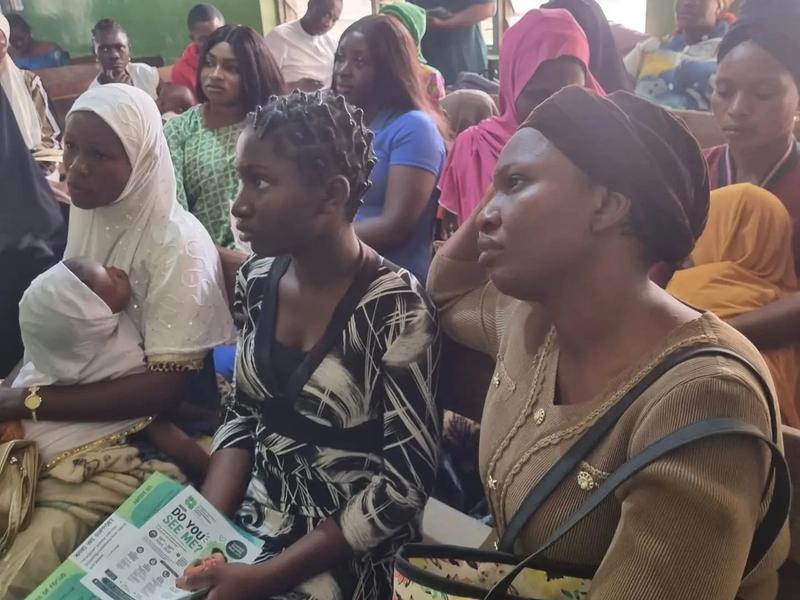
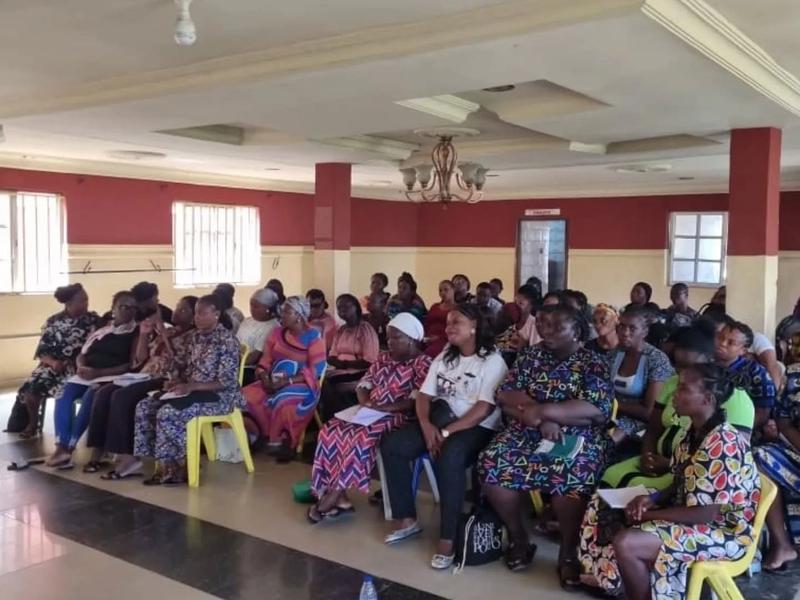
We had a total of 100 parents and healthcare workers attend our Learning Disability Awareness Talk. Participants learned what a learning disability is, the early signs to look out for, what steps to take when there are concerns, and how individuals with a learning disability can be supported to live long, healthy, and independent lives.
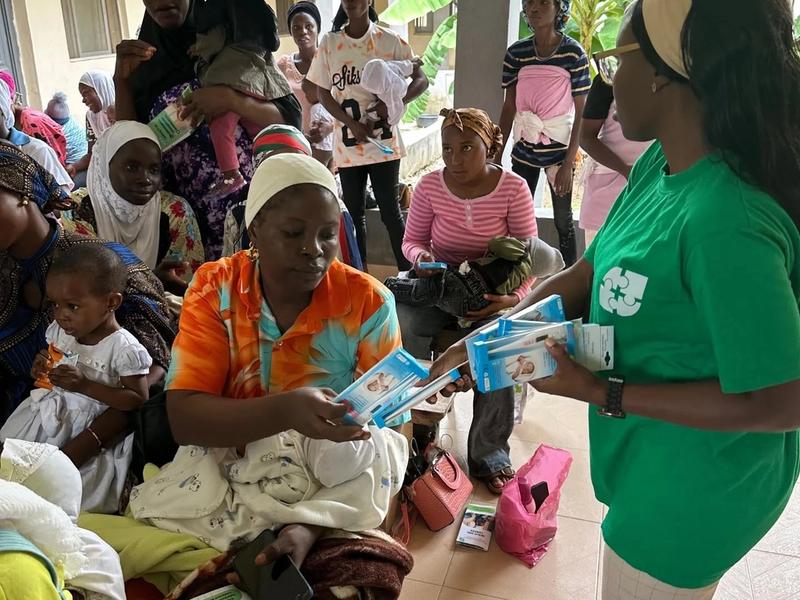
Parents and healthcare workers gained deeper knowledge through practical examples, discussions on active support, and the importance of intensive interaction with their children. We also shared souvenirs as part of the engagement.
Overall, the purpose of the awareness programme was fully achieved — and we received four referrals as a direct outcome of the event.
What we learned
- Identifying learning disability in children
- Early diagnosis leads to early support
- Learning disability is not an illness or disease so it has no cure
- Children with Learning disability can thrive with the right support, therapy and right intervention
- Mothers need to take precautions during pregnancy, attend regular antenatal appointments as recommended by their doctors- refrain from taking alcohol, hard drugs and eating healthy during pregnancy
- And lots more information
Photo gallery
Disability knowledge from this training
- Parents need to spend time with their children, if they feel something is not right, they need to seek early support
- A learning disability is a lifelong condition
- Learning disability affects how a person communicates, receives information, process information and how they communicate
- Many people with a learning disability also have conditions such as autism, cerebral palsy, epilepsy, or mental health challenges. However, having these conditions does not automatically mean a person has a learning disability. Each condition is distinct, and diagnosis must be based on a person’s cognitive profile, not assumptions.
- A learning disability occurs when brain development is affected: Before birth (e.g., infections, genetic conditions like Down syndrome) During birth (e.g., lack of oxygen) Early childhood (e.g., meningitis, head injury) Sometimes, the cause is unknown (gov.uk)